Source Industrial Power Cable for Automobile, Motor, and RF Uses
Find and compare industrial power cable options from verified suppliers. This collection features 30 products with copper conductors, PVC or PTFE insulation, and certifications like UL, CE, and RoHS. Evaluate specifications for high and low voltage applications across electronic, computer, and home appliance sectors.
Key considerations
Products List




Comprehensive Sourcing Guide
Industrial Power Cable Sourcing Guide
Procuring industrial power cables requires a precise understanding of the diverse product landscape available in the current market. Buyers must distinguish between high-voltage wiring harnesses designed for heavy machinery and low-voltage solutions intended for consumer electronics or automotive applications. The observed product range includes specialized assemblies with injection molding features, indicating a need to verify if the specific harness class matches the intended industrial environment.
Selection decisions should also account for the specific signal types and interface requirements of the target system. While some listings highlight AC/DC interfaces and round wire shapes, others specify flat wire configurations or coaxial types for multimedia and monitoring equipment. A buyer must align the observed material properties, such as copper cores and PVC sheathing, with the operational demands of the facility to ensure reliable power transmission and signal integrity.
Product Scope and Observed Listing Signals
The market presents a wide spectrum of industrial wire harnesses, ranging from general-purpose assemblies to specialized units for oil and gas drilling or chemical industries. Buyers should note that product models like HZ-5040 and HITEK-1022 represent distinct configurations, often varying in their bandaging materials and conductor types. It is critical to verify whether the listed "Industrial Wire Harness" classification aligns with the specific mechanical stress and environmental conditions of the intended application.
Listing signals also reveal significant variation in packing and origin, which impacts logistics and inventory management. Some suppliers offer export-ready packaging with labels, while others utilize PE bags or blister packs, suggesting different levels of protection during transit. The origin locations, including Shenzhen and Dongguan, indicate a concentration of manufacturing capabilities in China, but buyers must confirm if the specific product model meets the exact technical specifications required for their unique industrial setup.
Technical Specifications to Verify
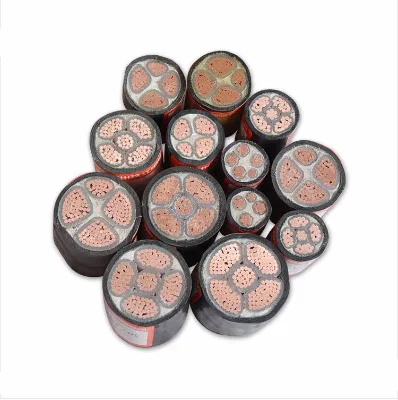
Technical verification begins with the conductor material and insulation properties, as these directly influence conductivity and safety. The supplied data confirms the use of copper wire cores and various insulating materials like PTFE and PVC, which offer different thermal and chemical resistance profiles. Buyers must ensure that the stranded conductor type and the specific wire core material match the current carrying capacity and flexibility requirements of the installation.
Further scrutiny is necessary regarding the physical dimensions and standard compliance of the cable assembly. Observed standards range from 0.23mm to 4.2mm, and the product shape is typically round, though flat wire options exist for specific applications. Procurement teams should validate that the specified prod_standard and material shape correspond to the engineering drawings of the host equipment, ensuring a seamless fit for the injection molding assembly class or other mechanical interfaces.
Compliance and Safety Documentation
Safety and regulatory compliance are paramount when sourcing industrial power cables, as non-compliant products can lead to operational hazards and legal liabilities. The observed certifications include CCC, UL, RoHS, CE, ISO9001, and VDE, which serve as critical indicators of quality and adherence to international safety standards. Buyers must request valid certificates for the specific batch or model to confirm that the product has undergone rigorous testing for fire resistance, electrical safety, and environmental impact.
Documentation review should also extend to material safety data sheets and conformity declarations for hazardous substances. Listings mention compliance with PAHs and ISO standards, which are essential for industries with strict environmental regulations. It is vital to verify that the supplier can provide up-to-date documentation proving the product meets the specific regulatory framework of the destination country, particularly regarding the use of insulating materials and sheath compositions.
Cost Drivers and Commercial Terms
Cost structures for industrial power cables are heavily influenced by raw material prices, particularly copper, and the complexity of the assembly process. The observed MOQ ranges from 1 to 1000 pieces, allowing flexibility for small-scale projects while accommodating large industrial orders. Buyers should analyze how the customization availability and specific model numbers, such as HITEK-1005, affect the unit price, as bespoke configurations often incur higher manufacturing costs than standard off-the-shelf items.
Commercial terms also encompass lead times and packaging requirements, which can significantly impact the total cost of ownership. A typical lead time of 20-30 days must be factored into production schedules, and the choice between carton, glue shaft, or export bag packaging affects shipping expenses. Procurement teams should negotiate clear terms regarding payment schedules and delivery timelines to mitigate risks associated with supply chain delays and inventory holding costs.
Supplier Qualification and Quality Control
Supplier qualification requires a thorough assessment of their manufacturing capabilities and quality control systems. The presence of ISO9001 certification suggests a structured approach to quality management, but buyers should also verify the supplier's track record in producing seamless or hot-rolled components for demanding sectors like hydraulic and automotive industries. It is essential to confirm that the supplier maintains consistent standards across different product lines, from general wiring harnesses to specialized coaxial cables.
Quality control protocols must be validated through on-site audits or third-party inspection reports. Buyers should inquire about the testing procedures used for the copper conductor material and the durability of the PVC or PTFE insulation. Ensuring that the supplier adheres to the specified prod_standard and provides a warranty, such as the observed five-year term, demonstrates a commitment to long-term product reliability and reduces the risk of premature failure in critical industrial applications.
Long-Term Procurement Checks
Establishing a long-term procurement strategy involves regular performance reviews and continuous monitoring of supplier reliability. Buyers should track the consistency of product attributes, such as the color, species, and type of wire, to ensure that future orders match the initial specifications. Maintaining a relationship with suppliers who offer customization and have a proven track record in the industrial sector helps in adapting to changing technical requirements and market conditions.
Periodic re-evaluation of compliance status and material sourcing is also crucial for maintaining operational safety and efficiency. As regulations evolve, suppliers must demonstrate their ability to update their products to meet new standards, such as updated RoHS or CE requirements. Procurement teams should establish a feedback loop to address any quality issues promptly, ensuring that the industrial power cables continue to meet the rigorous demands of the machinery and electronic systems they serve.
FAQs
What certifications are available for industrial power cables?
Industrial power cables typically feature certifications such as CCC, UL, ISO9001, RoHS, CE, VDE, and CSA. These standards ensure compliance with international safety and quality requirements. Buyers should verify specific certification needs against their regional regulations to guarantee product acceptance and operational safety in industrial environments.
Can industrial power cables be customized for specific applications?
Yes, customization is available for industrial power cables to meet unique project requirements. Manufacturers can adjust wire core materials, sheath types, and connector interfaces. This flexibility allows for tailored solutions in electronic, automobile, and home appliance sectors, ensuring optimal performance and compatibility with existing infrastructure.
What is the typical lead time for industrial power cable orders?
The typical lead time for industrial power cable orders ranges from 20 to 30 days. This duration accounts for production, quality control, and packaging processes. Buyers should plan their procurement schedules accordingly to avoid delays, especially for large volume orders requiring specific customization or specialized material sourcing.
What materials are used in industrial power cable construction?
Industrial power cables commonly use copper wire cores for conductivity and PVC or PTFE for insulation and sheathing. Bandaging materials may include PVC pipes for protection. These materials ensure durability, flexibility, and resistance to environmental factors, making them suitable for high voltage and low voltage applications.
What is the minimum order quantity for industrial power cables?
The minimum order quantity for industrial power cables generally starts at 100 pieces. However, some suppliers may accept orders as low as one piece for sampling or small projects. Bulk orders often benefit from economies of scale, so buyers should inquire about tiered pricing structures for larger quantities.
Where are industrial power cables typically manufactured?
Industrial power cables are typically manufactured in regions like Shenzhen and Dongguan in China. These locations offer robust supply chains and advanced manufacturing capabilities. Buyers can expect efficient logistics and competitive pricing due to the concentration of specialized factories and suppliers in these industrial hubs.